2025-12
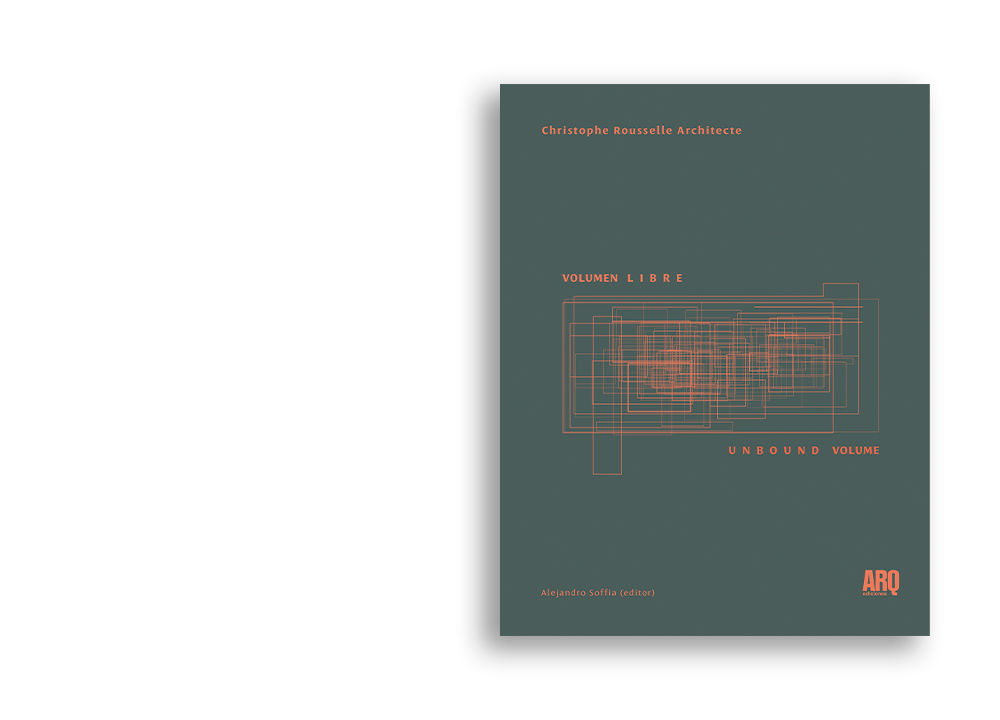
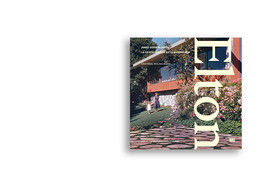
PREVENTA | Christophe Rousselle Architecte. Volumen libre / Unbound Volume
2025-12
PREVENTA | Christophe Rousselle Architecte. Volumen libre / Unbound Volume
$39.000
Antes
Producto en stock
PREVENTA: RETIRO PRESENCIAL HASTA EL 7 DE ENERO
Christophe Rousselle tuvo la suerte de encontrarse con un derrotero arquitectónico mientras era un estudiante de intercambio en Chile. Ese camino partía como una crítica a la monotonía de la oferta inmobiliaria y terminaría, hoy, con la dilatada cantidad de contrapropuestas que ilustran este libro. Le Corbusier denominaba a su oficina como el “taller de la búsqueda paciente”. No es común encontrarse con arquitectos inmersos en una búsqueda, que insistan sobre algunos temas en sus distintos proyectos. Tampoco es común que los arquitectos trasciendan el ámbito del diseño para utilizar las herramientas de gestión que les permitan desarrollar esos temas en los que insisten. Estas particularidades en la obra de Christophe Rousselle detonan un interés disciplinar, especialmente cuando abordan la tipología arquitectónica con la que interactuamos todos los días: nuestras residencias. —Alejandro Soffia (editor)
Otros clientes también vieron
-
−20%
-
-
-